District News

Updated Fri, Dec 27th

The Campbell Union School District Governing Board will hold a public hearing on Thu., June 1, 2023, at 6:30pm, at 155 N. 3rd Street, in Campbell CA.

PUBLIC HEARING TOPIC: 

Proposed Budget and Local Control and Accountability Plan for Fiscal Year 2023-2024 

Budget Overview for Parents and Proposed 2023-2024 Budget for Campbell Union School District 

Public Hearing 

Public comments are invited. A copy of the Proposed Budget and Local Control and Accountability Plan for Fiscal Year 2023-2024 will be available for public review at https://www.campbellusd.org/lcap, https://www.campbellusd.org/budget and at the Campbell Union School District Office 155 N. Third Street, Campbell during the hours of 8:00am – 4:30pm from May 23 – June 1, 2023. 

Si le gustaría ver nuestro Plan de LCAP en español, por favor contacte a Nairovy Aguilar - naguilar [at] campbellusd.org. 

Updated Tue, Jun 6th

“The Innovation Grant program encourages students to take ownership of their education and school experience,” said District Superintendent Shelly Viramontez.

Through the grant program, 10 student teams are using the design-thinking process to generate, test and implement ideas for two areas identified in our student survey data as needs: campus cleanliness and building a sense of belonging at their schools. 

“When we provide students with real-world challenges, they see the connections to what they learn in school and recognize they have the ability to make a difference in their everyday lives,” Viramontez added. 

Here are stories of progress at two schools.

Capri School: Using the idea of prevention, not punishment, the Capri Innovation Team set about promoting positive behavior focused on three challenges: campus cleanliness, maintaining play equipment, and reducing conflicts at recess..  

“Our student leadership team has taken the initiative to build community across grade levels through PE Buddies, Recess Buddies, Leadership Club, Design Challenges, and Teacher Green Team (campus clean-up),” said Gloria McGriff. “The students create, collaborate, communicate, and are empathetic.”

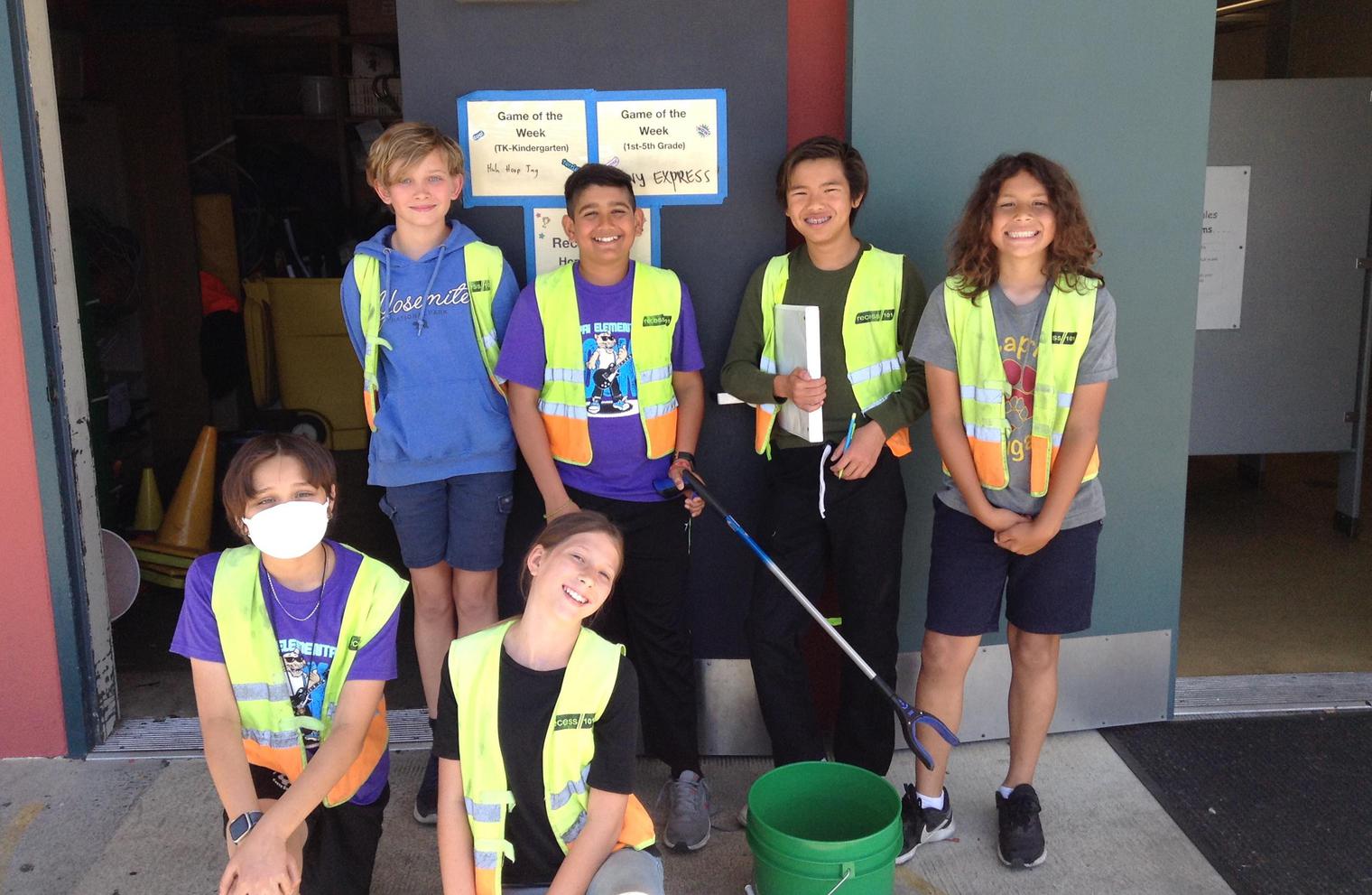
The Green Team is a group of students who choose to check out buckets, gloves and “garbage grabbers” to collect litter. “Before, the Green Team was being used for consequences instead of a fun activity to do,” said student Saveh. “We changed it so students and classes that participate earn rewards like a popsicle party, or extra STEAM Lab time.”
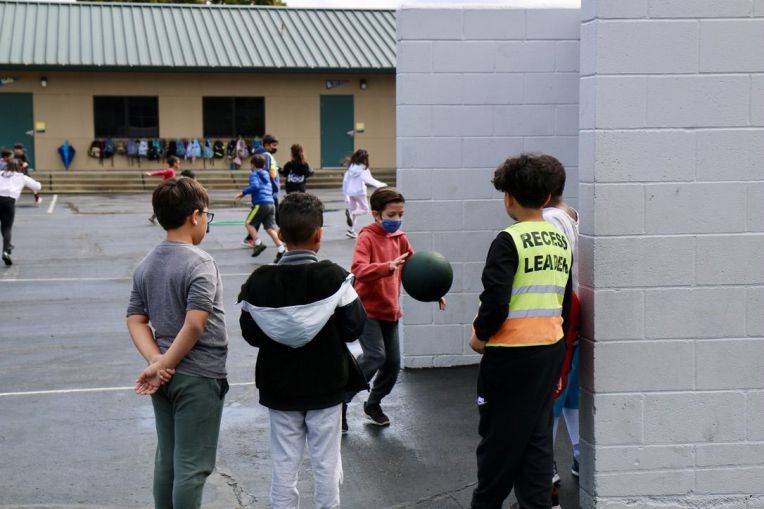
The PE Leaders are trained 4th and 5th grade students who join the students in grades K-2 at recess to lead games, resolve conflicts, and reinforce positive behavior among the younger students. The Innovation Grant helped to pay for training student leaders in conflict resolution with Positive Behavior Interventions and Supports (PBIS), and in the use and care of STEAM Lab and playground equipment.

The students and staff are noticing the difference. The office is seeing fewer students being sent there for making poor choices, and students are more aware of how individual behaviors, like not playing fair or not returning equipment, impact others at the school. 

Monroe Middle School: “The challenge was to try to find a way to communicate with people who don’t speak English so they can learn better and feel welcome,” said Gabriel, one of Monroe's Innovation Team members. The team’s solution: Newcomer Ambassadors. 

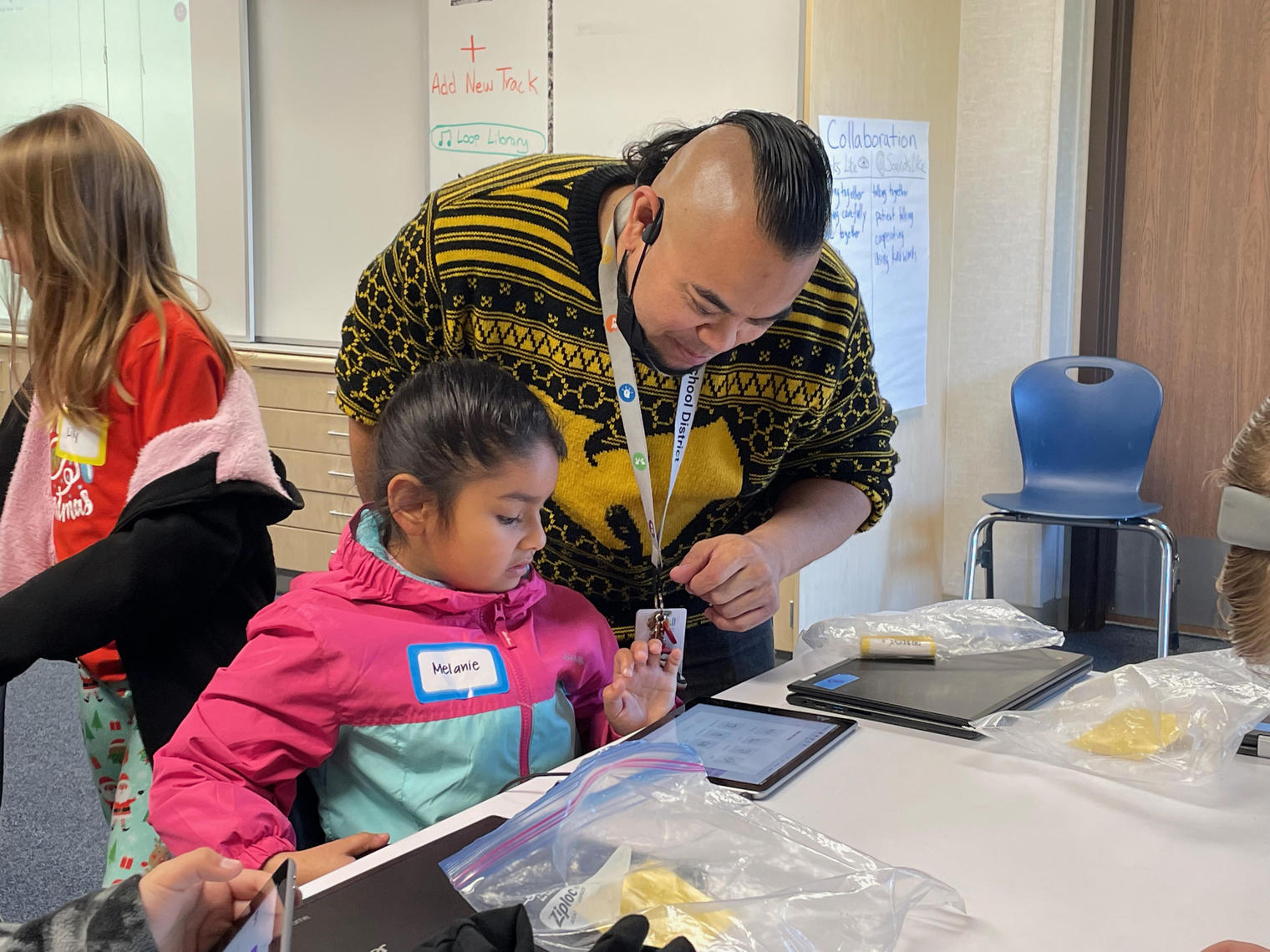
Schools across the U.S. have experienced increasing numbers of students arriving from other countries, such as Ukraine and Afghanistan, who have little or no English skills. The Ambassadors help the new students access translation applications on a school iPad.  
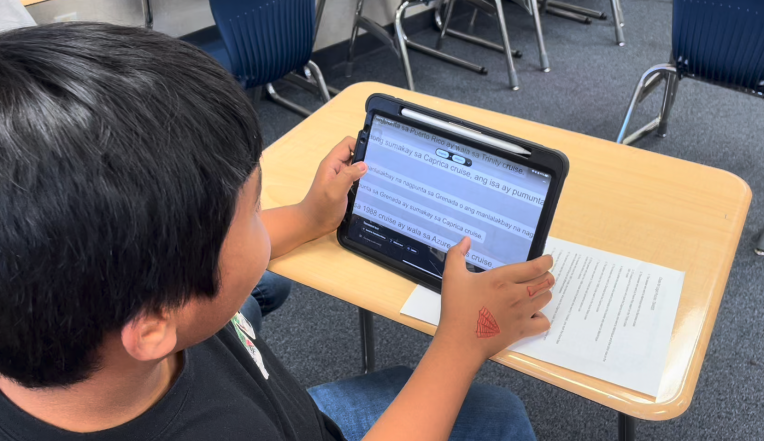
“It helps our students continue to be successful in school, by accessing content-specific material in their home language,” said Teacher Cheryl Lee. The project does more than assist students with their studies. It also builds a sense of belonging as communication between all peers increases. “It also helps students know that they can help themselves,” said student Mobasher.

We will know that this project is successful by analyzing student work production and engagement along with student surveys & interviews.


Updated Wed, May 31st

Our teachers are committed to ensuring that every student becomes a proficient reader. Parents can help by encouraging your child to read every day–even when schools close for summer. In-person or online access is easier for all CUSD students, because the Campbell public library accounts they have during the school year are good even while schools are closed for summer break. 

Following is information about Santa Clara County’s public library summer programs.

SCCLD’s Summer Reading Program Find Your Voice

Our voices have power. We use our voices to share stories, express ourselves, and spark change. Our voices include not only the sounds we make, but the words we write, the art we create, the movements we perform, and the actions we take each day to impact our world.

 Join us for an exciting array of programs for children, teens, and adults. Read a book and find your voice this summer with SCCLD!  All are invited to join June 1st through July 31st.  It’s free and fun for all ages!

How to Join

  • It’s easy to get started. Beginning June 1st, sign up (or log in) online on Beanstack (link to pre-register will be available May 1st), or print a reading log.  You can also download the Beanstack app for your mobile device.
  • Earn badges by reading and completing activities. This year, SCCLD’s Summer Reading Program runs June 1st through July 31st.

Look forward to:

  • Programs for kids, teens, and adults including performers, book clubs, and more!
  • Earn badges throughout the summer in Beanstack by logging your reading and activities.

Earn a prize* for reading 5 books and completing one activity this summer!

*Completion prizes will be available starting August 1st while supplies last.

Updated Wed, May 24th

Our survey data showed that parents and students want more art and hands-on learning in schools. Teachers want more time for planning and collaboration to bring effective and engaging instruction to students.

We heard you, and launched the Arts & Innovation Collaboration pilot program this year at two schools, Blackford and Rosemary, then expanded it to some grade levels at Lynhaven. Our team of talented Innovation Specialists facilitate engaging innovation and art experiences with students, giving classroom teachers time during the school day to collaborate as professional learning communities. 

Positive Feedback

Teachers at both Blackford and Rosemary report that the ongoing collaboration time has been crucial for planning next steps for targeted instruction to support students’  learning. According to the survey provided to participating teachers, "It has given us time and a structure to really dig into our data so we can make strategic instructional choices that will move students forward.”

“We are building ongoing access to innovation and the arts for and with our community,” said Coordinator of Innovation, Teaching, and Learning Julie Goo. 

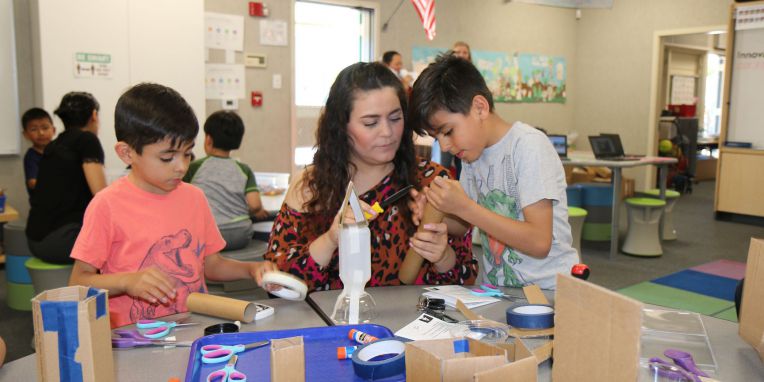
woman works with two boys creating things with tape and cardboard
Families worked together at the Innovation Showcase.

Two Innovation Showcases in April highlighted the work at the two elementary schools. Students and parents were happily problem solving and discovering solutions to such challenges as coding mini robots to travel a path, building prototypes with raw materials,  making freehand digital art, collaborating with Minecraft, and more. Displays of student work included their reflections about what they learned in the process.

“Innovation is one of our Profile of a Graduate competencies, and we focus on tapping into students’ natural curiosity and desire to learn,” said Superintendent Shelly Viramontez. “Their future workplaces will demand our competency skills of self direction, critical thinking, collaboration, empathy and innovation, and this is part of  preparing  them for success now and in their future.”

Plans to Expand

With the overwhelmingly positive feedback from our two-school pilot this year, we are planning to expand our Innovation Specialist team to bring the program to more schools. We are building teams to provide experiences of arts, innovation and music. We are planning  to provide these experiences for K - 5 students and through lunch clubs for our 6-8 grade students.

Learn more about what students have been up to in the Innovation program this year on the Innovation Blog. 

Updated Wed, May 17th

Calendars list many different appreciation dates for many different people and professions. In an effort to acknowledge all of our employees, our district recognizes them together during one special week. We know that it takes all of us working together to safely educate students to their highest potential.

While we encourage you to acknowledge groups during their designated days, we invite you to join us during Employee Appreciation Week, May 22-26, 2023, to recognize and acknowledge the many people in our district who work hard every day to make your child’s school a great place to learn and a great place to work.

Updated Tue, May 16th

The COVID-19 pandemic and closure of in-person schooling impacted students across the country. In a recent report to the Campbell Union School District Governing Board, Superintendent Viramontez outlined how the district used Elementary & Secondary School Emergency Relief (ESSR) Funds to address the impacts to our students and staff. 

“We were able to combine ESSR, other one-time funds, and some General Fund dollars to increase academic and social emotional support for students and staff,” she said. Over three school years, 2020-21 through 2022-23, the district expenditures per student increased by $3,401. The average spending per student will increase again in 2023-24 to almost $19,000 per student, an increase of more than $4,000 per student since 2020-21. The State’s average per student expenditure is $13,686.

“We looked closely at our data to see which programs are having the greatest positive impact on students and directed the funding there,” Viramontez said, as she presented a year-by-year list of the allocations. 

Since receiving the ESSR funds in the 2020-21 school year, CUSD has increased professional counselors and behaviorists, instructional specialists for math, reading, special education, and English language development. To attract qualified employee candidates, the district also increased employee wages and pay for substitute teachers and support staff.

While not part of the April 20 report, the district also used the funds for extensive expenditures to enhance facilities’ COVID-19 safety, such as HVAC upgrades and additional outdoor learning spaces. Click to see the April 20, 2023, report to the Board. 

Updated Wed, May 10th

The volume of work needing to be done in education can seem insurmountable. What makes the work manageable is focusing on a specific challenge, taking one or two actions aimed at improvement, assessing for effectiveness, scaling what works, and abandoning what doesn’t. This concept is at the core of Campbell Union School Districts’ continuous improvement work. 

“Continual Improvement makes system change do-able. It simplifies the process and prioritizes what matters most,” said Superintendent Shelly Viramontez. “Improving the student’s educational experience is key. It’s better this week than last week, better this month than last month, and so on.  We are getting better, not perfect.”

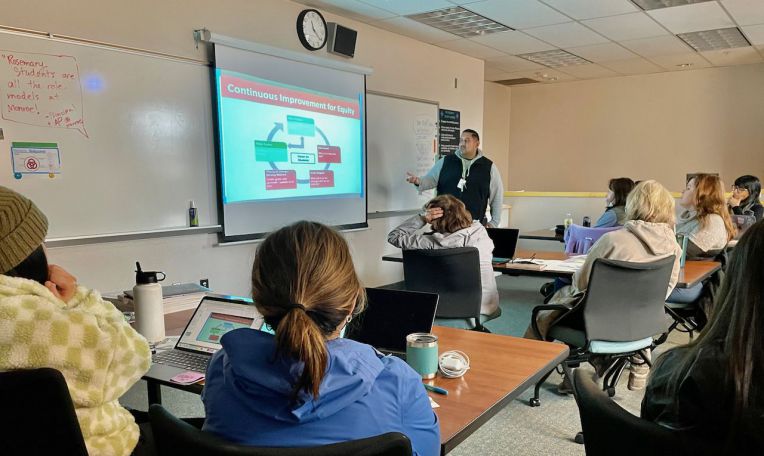
man points at screen as people sit and listenSince the 2021-22 school year, district leaders have trained to use improvement practices to tackle barriers to learning—language differences, socioeconomic disadvantages, and others—and close achievement gaps. Training is expanding this year to include school-level staff.
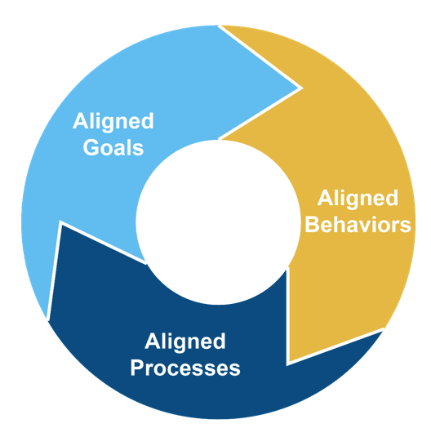
Improvement practices speeds up learning-by-doing, according to the Carnegie Foundation for the Advancement of Teaching and Learning. It is a user-centered and problem-centered approach to improving teaching and learning. It applies small, measurable, and individualized changes to address specific issues and uncover the root cause of problems.

circle illustration of a cycle for improvementUsing surveys, assessments, and other data sources, staff can identify one or two ‘pain points’ in the system, test a solution, study the outcomes, and adjust or continue the practice based on the data. Then, they move on to the next one.
“Systems get what they’re designed to get,” said Viramontez. “To change what we get, we need to be intentional about adjusting the system.”

Updated Wed, May 3rd

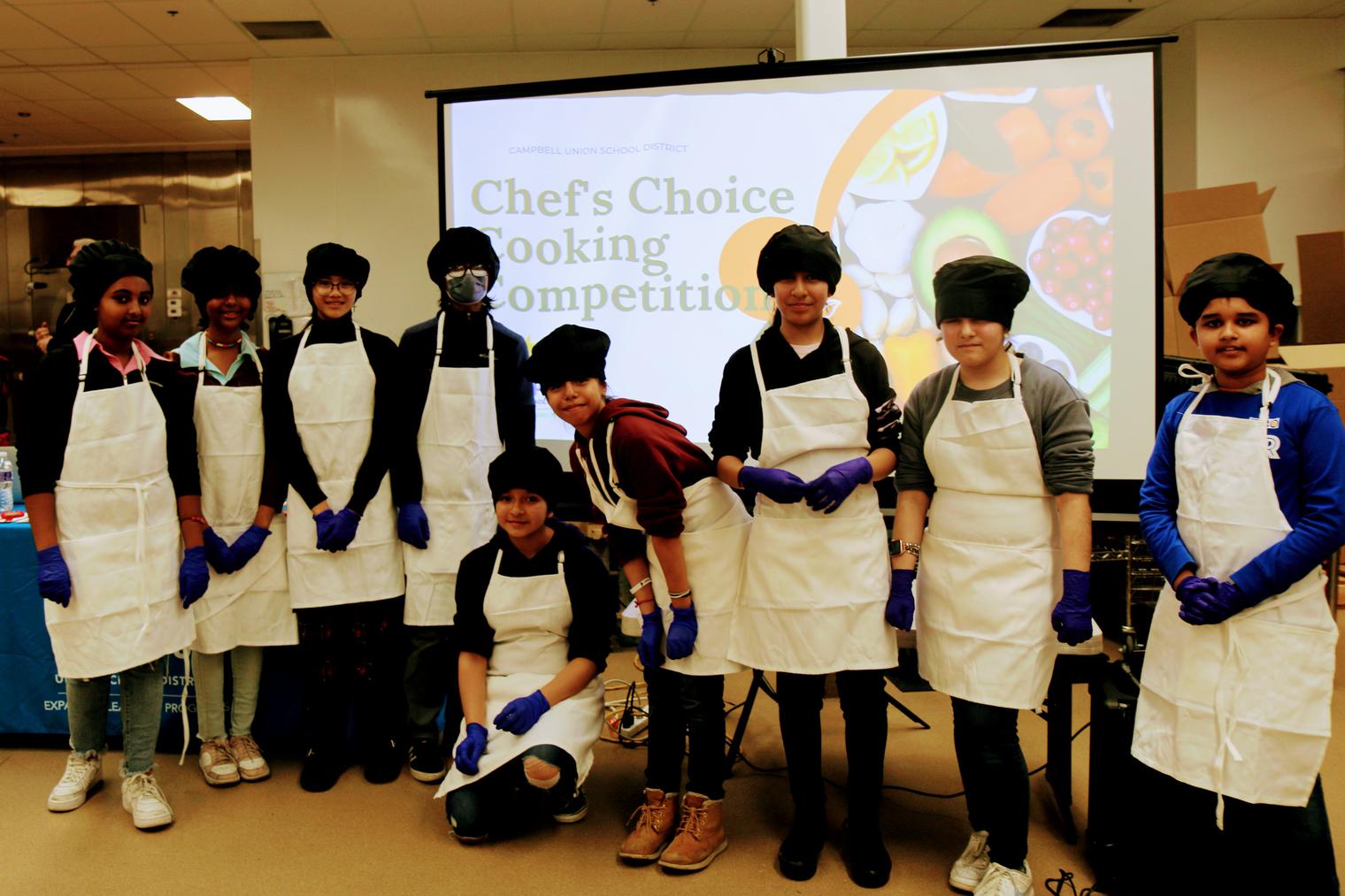
Creativity and teamwork were on display as teams of student chefs from three CUSD schools engaged in a culinary clash: the Second Annual Chef’s Choice Cooking Competition. The prize: having their dish on the grade 6-8 lunch menu and their names on a perpetual plaque..

For months, teams of sixth through eighth grade students in our Expanded Learning after-school program competed at the school level. Their efforts had real-world application. Their meals had to look and taste delicious while meeting the U.S. Department of Agriculture’s Nutrition Standards for School Meals.

One team from three schools made it to the April 5th final round held in the district’s Central Kitchen. 

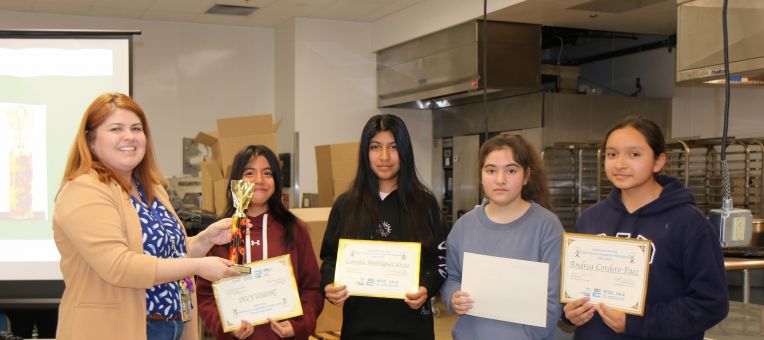
  • Sherman Oaks: Jasmin, Leilany, Andrea, and Camila. Meal: Torta de Asada (a savory Mexican sandwich)
  • Monroe: Rohin, Nerice, Hana, and Lailani. Meal: Sinigang (a tamarind soup native to the Philippines)
  • Rolling Hills: Sarim (competing solo due to an ill teammate). Meal: Grilled Cheese and Tomato Sandwich with fresh Tomato Basil soup.

The excited and determined students worked together to create their signature dishes and clean up their stations before the panel of judges, community representatives, and a count-down clock.

Judging the meals were CSI Student Angela Park; Board President Danielle Cohen; Superintendent Shelly Viramontez; Child Nutrition Dept. Director Benny Calderon; Child Nutrition Dept. Assistant Director Vachan Boja. Community partners included CalFRESH, Sutter Health, 5210, Santa Clara Public Health, University of California Agriculture and Natural Resources.

“All the meals were delicious, so the judges had a hard time choosing one winner,” said Child Nutrition Department Director Benny Calderon. 

The result: Sherman Oaks' team (pictured above) received the winner’s trophy, but all three meals will be on the grade 6-8 lunch menu.

Updated Tue, May 2nd

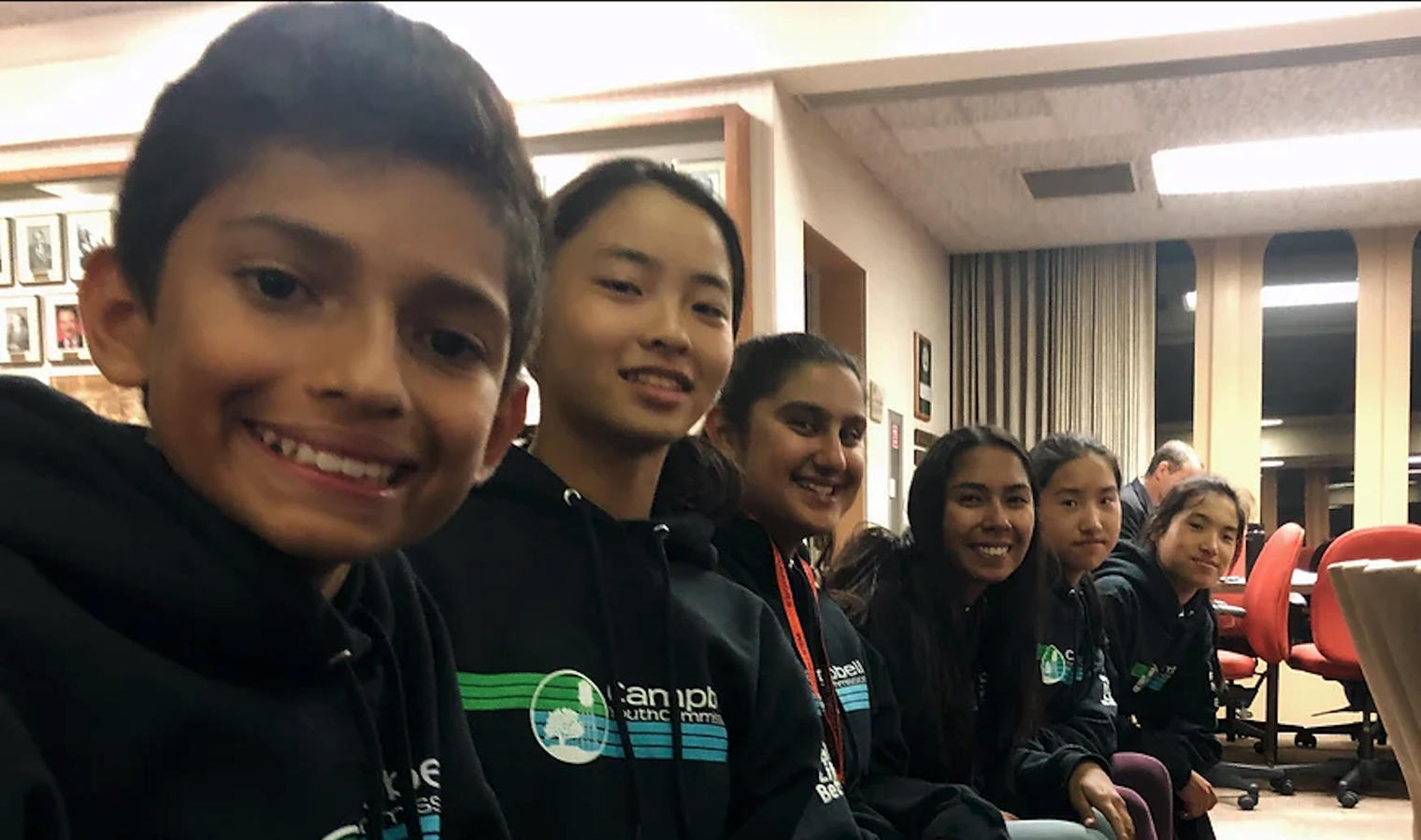
City of Campbell residents between 7th and 12th grade can apply to represent the youth voice of Campbell. 

The City of Campbell Youth Commission acts as an advisory board to the Campbell City Council on matters relating to youth and teens. The commissioners are a diverse group of Campbell youth who organize and host several events that focus on community support, mental health awareness, political involvement, social justice and more. The Campbell Youth Commission meetings are scheduled on the second Monday of each month at 7:00 pm at the Campbell Community Center from September-May.

Application Requirements:

  • Must be a resident in the city of Campbell
  • Enrolled in grades 7 through 12 during 2023-2024 school year
  • Application and one Letter of Recommendation

Youth Commission Term Requirements:

  • Interest and enthusiasm for leadership and local government practices
  • Attend Orientation Meeting scheduled for Saturday, August 19th 10am-2pm
  • Attend bi-monthly meetings on Monday evenings, September through May
  • Plan and facilitate Youth Commission sponsored events and activities

Applications are due Monday, May 1st by 11:59 PM via email to Gracey Ferrel, graceyf [at] campbellca.gov ().
For more information, visit https://www.campbellca.gov/626/Youth-Commission.

Updated Wed, Apr 19th

“The Innovation Grant program encourages students to take ownership of their education and school experience,” said Campbell Union School District Superintendent Shelly Viramontez.

Through the grant program, 10 student teams are using the design-thinking process to generate, test and implement ideas for two areas identified in our student survey data as needs: campus cleanliness and building a sense of belonging at their schools. 

“When we provide students with real-world challenges, they see the connections to what they learn in school and recognize they have the ability to make a difference in their everyday lives,” Viramontez added. 

Here are stories of progress at two schools.

Rosemary School:

four students work on projectThe two Innovation Grant teams want to create a better school experience for their classmates.

The Refreshing Remix team, 23 students in grades 3 through 5, are creating activities that encourage all students to take responsibility for keeping their school clean and behaviors positive. Working with Teacher Jonathan Natividad, they created a schedule for students to support cleaning target areas for trash, they introduced motion sensor messages by restrooms to remind students to keep them clean, and delivered SEL supports to help students stay calm and in their classroom.

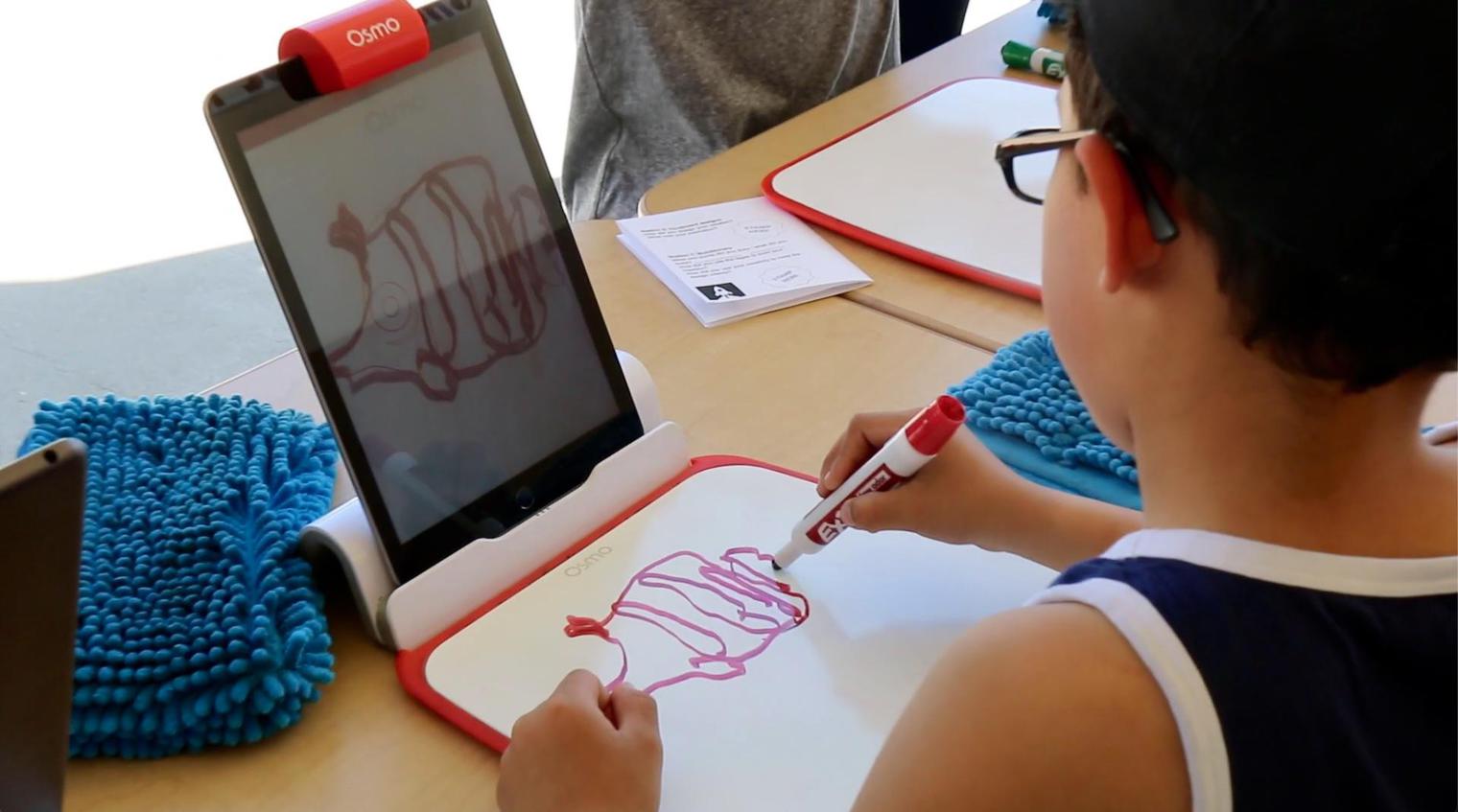
The Arcade team, 24 fourth-grade students at Rosemary and Blackford schools, are using their survey data to learn computer science, design videogames and create 3-D models of other activities for students to enjoy. Their aim is to create an arcade and student clubs at lunch and afterschool for having fun while learning computer programming. Students participate in the Arcade Club during the school day at lunchtime and after school as part of the Campbell Care program. Students share ideas and resources as they design independent solutions to create engaging spaces for Computer Science.

“Computer science dominates the careers of tomorrow, while opportunities to learn computer programming are only still emerging nationwide,” said Teacher Jason Pittman. “By making a place for computer science where fun and engagement leads, we hope to expand the ways to make learning computer science fun.”

Castlemont School:

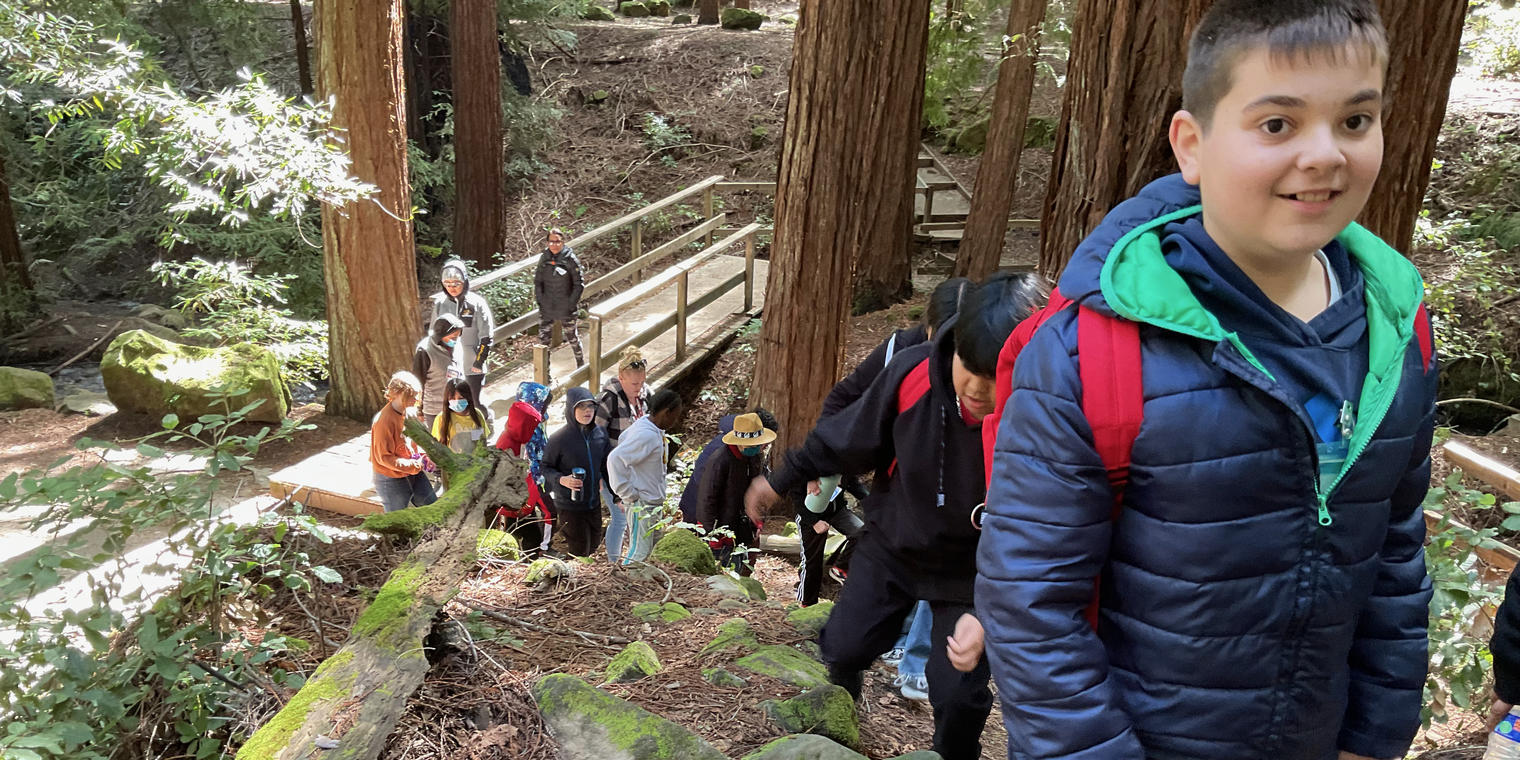
boy stands at front of class as other students watchThe Castlemont team, led by teachers Kelli Sorich and Coriann Snyder, is reimagining the school’s 5th grade science experience so it is affordable, meaningful, and able to be replicated by other schools that choose to do so. 

Their design envisions a full-day science camp experience, that costs less than $78 per student, filled with fun, outdoor and team-building activities connected to their science lessons. 

Together, they planned and created activities, prepared a presentation to inform and promote the science camp day to classmates, and enjoyed sharing science and nature activities with students at Sanborn Park.

“Our students are working to find a way for every student to have access to this kind of enriching educational experience,” said Castlemont Principal Kristen Prindle. 

To learn more about this year’s 10 Innovation Grant projects, click here, or listen to the students talk about their projects on the Our Design Journey podcast.